Monday, January 1, 2018

Nasal Polyps

What are nasal polyps?

Have you ever felt like you have a cold that doesn’t go away? Nasal congestion that doesn’t seem to stop, even with over-the-counter cold or allergy medication, may be due to nasal polyps.
Nasal polyps are benign (noncancerous) growths of the lining tissues, or mucosa, of your nose.

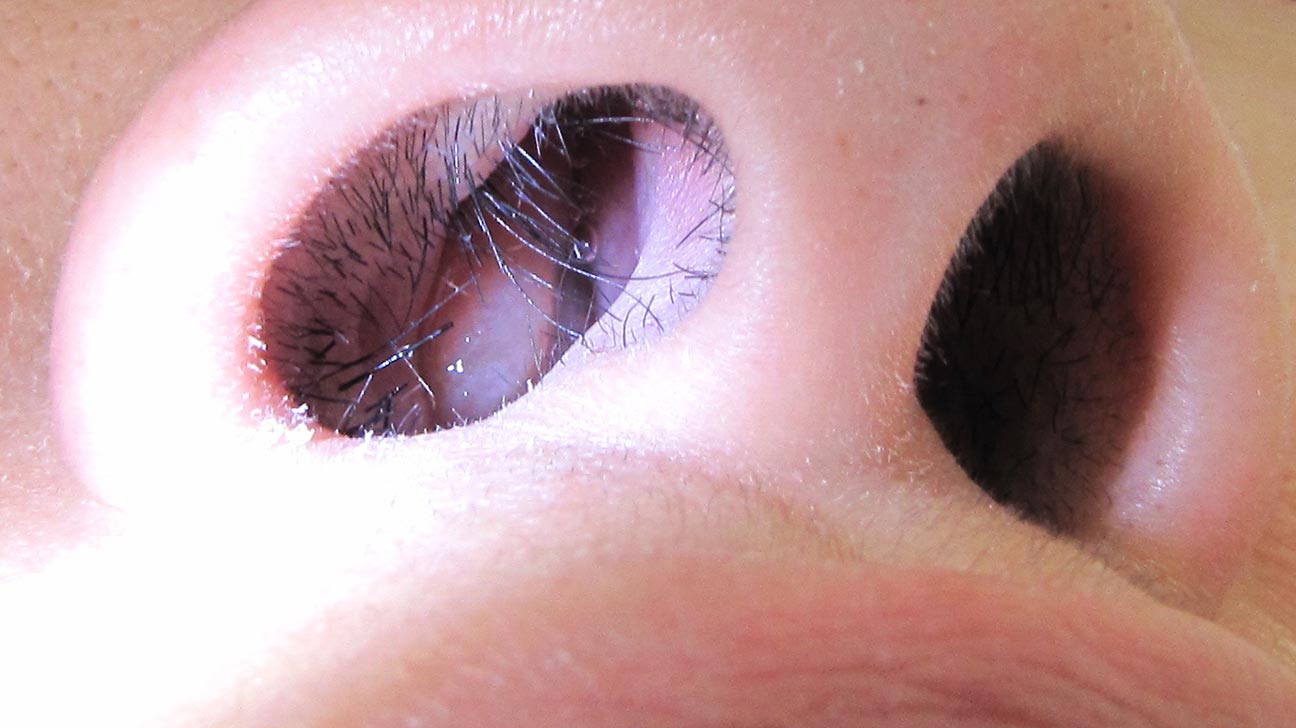
Picture of nasal polyps

Nasal Polyps

What are the causes of nasal polyps?


Nasal polyps grow in inflamed tissue of the nasal mucosa. The mucosa is a very wet layer that helps protect the inside of your nose and sinuses and humidifies the air you breathe. During an infection or allergy-induced irritation, the nasal mucosa becomes swollen and red, and it may produce fluid that drips out. With prolonged irritation, the mucosa may form a polyp. A polyp is a round growth (like a small cyst) that can block nasal passages.
Although some people can develop polyps with no previous nasal problems, there’s often a trigger for developing polyps. These triggers include:
There may be a hereditary tendency for some people to develop polyps. This may be due to the way their genes cause their mucosa to react to inflammation.

What are the symptoms of nasal polyps?


Nasal polyps are soft, painless growths inside the nasal passages. They often occur in the area where the upper sinuses drain into your nose (where your eyes, nose, and cheekbones meet). You may not even know that you have polyps because they lack nerve sensation.
Polyps can grow large enough to block your nasal passages, resulting in chronic congestion. Symptoms can include:
  • a sensation that your nose is blocked
  • runny nose
  • postnasal drip, which is when excess mucus runs down the back of your throat
  • nasal stuffiness
  • nasal congestion
  • reduced sense of smell
  • breathing through your mouth
  • a feeling of pressure in your forehead or face
  • sleep apnea
  • snoring
Pain or headaches may also occur if there’s a sinus infection in addition to the polyp.

How are nasal polyps diagnosed?


A nasal polyp will likely be visible if your doctor looks up into your nasal passages with a lighted instrument called an otoscope or nasoscope. If the polyp is deeper in your sinuses, your doctor may need to perform a nasal endoscopy. This procedure involves your doctor guiding a thin, flexible tube with a light and camera at the end into your nasal passages.
CT scan or MRI scan may be necessary to determine the exact size and location of the polyp. Polyps show up as opaque spots on these scans. Scans can also reveal whether the polyp deformed the bone in the area. This can also rule out other kinds of growths that may be more medically serious, such as structural deformities or cancerous growths.
Allergy tests can help doctors determine the source of persistent nasal inflammation. These tests involve making tiny skin pricks in your skin and depositing the liquid form of a variety of allergens. Your doctor will then see if your immune system reacts to any of the allergens.
If a very young child has nasal polyps, tests for genetic diseases, such as cystic fibrosis, may be necessary.

What treatments are available for nasal polyps?

Medications


Medications that reduce inflammation may help reduce the size of the polyp and relieve symptoms of congestion.
Spraying nasal steroids into the nose can reduce your runny nose and the sensation of blockage by shrinking the polyp. However, if you stop taking them, symptoms may quickly return. Examples of nasal steroids include:
An oral or injectable steroid, such as prednisone, may be an option if nasal sprays don’t work. These aren’t a long-term solution due to their serious side effects, including fluid retentionincreased blood pressure, and elevated pressure in the eyes.
Antihistamines or antibiotics may also treat allergies or sinus infections caused by inflammation in the nose.

Surgery

If your symptoms still aren’t improving, surgery can remove the polyps completely. The type of surgery depends on the size of the polyp. A polypectomy is an outpatient surgery done with a small suction device or a microdebrider that cuts and removes soft tissue, including the mucosa.
For larger polyps, your doctor can perform an endoscopic sinus surgery using a thin, flexible endoscope with a tiny camera and small tools on the end. Your doctor will guide the endoscope into your nostrils, find the polyps or other obstructions, and remove them. Your doctor may also enlarge the openings to your sinus cavities. This type of surgery is an outpatient procedure most of the time.
After surgery, nasal sprays and saline washes can prevent polyps from returning. In general, reducing the inflammation of the nasal passages with nasal sprays, anti-allergy medications, and saline washes can help prevent nasal polyps from developing.
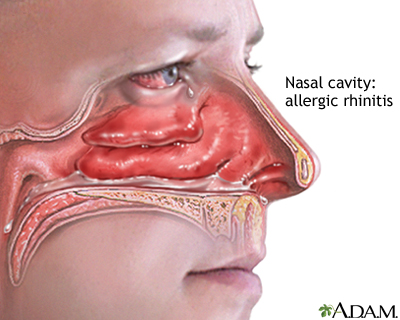
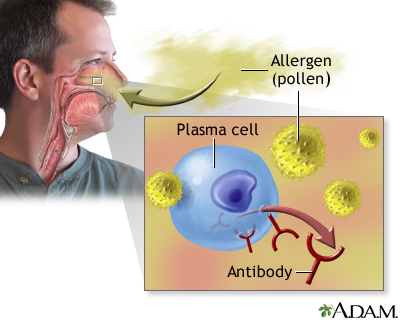
Allergic Rhinitis

Allergic rhinitis is a diagnosis associated with a group of symptoms affecting the nose. These symptoms occur when you breathe in something you are allergic to, such as dust, animal dander, or pollen. Symptoms can also occur when you eat a food that you are allergic to.
This article focuses on allergic rhinitis due to plant pollens. This type of allergic rhinitis is commonly called hay fever or seasonal allergy.

Causes

An allergen is something that triggers an allergy. When a person with allergic rhinitis breathes in an allergen such as pollen, mold, animal dander, or dust, the body releases chemicals that cause allergy symptoms.
Allergic rhinitis
Hay fever involves an allergic reaction to pollen.
Plants that cause hay fever are trees, grasses, and weeds. Their pollen is carried by the wind. (Flower pollen is carried by insects and does not cause hay fever.) Types of plants that cause hay fever vary from person to person and from area to area.
The amount of pollen in the air can affect whether hay fever symptoms develop or not.
  • Hot, dry, windy days are more likely to have a lot of pollen in the air.
  • On cool, damp, rainy days, most pollen is washed to the ground.
Hay fever and allergies often run in families. If both of your parents have hay fever or other allergies, you are likely to have hay fever and allergies, too. The chance is higher if your mother has allergies.

Symptoms

Symptoms that occur shortly after you come into contact with the substance you are allergic to may include:
Symptoms that may develop later include:
  • Stuffy nose (nasal congestion)
  • Coughing
  • Clogged ears and decreased sense of smell
  • Sore throat
  • Dark circles under the eyes
  • Puffiness under the eyes
  • Fatigue and irritability
  • Headache    
Recognizing invader

Exams and Tests

The health care provider will perform a physical exam and ask about your symptoms. You will be asked whether your symptoms vary by time of day or season, and exposure to pets or other allergens.
Allergy testing may reveal the pollen or other substances that trigger your symptoms. Skin testing is the most common method of allergy testing.
If your doctor determines you cannot have skin testing, special blood tests may help with the diagnosis. These tests, known as IgE RAST tests, can measure the levels of allergy-related substances.
A complete blood count (CBC) test, called the eosinophil count, may also help diagnose allergies.

Treatment

LIFESTYLE AND AVOIDING ALLERGENS
The best treatment is to avoid the pollens that cause your symptoms. It may be impossible to avoid all pollen. But you can often take steps to reduce your exposure.
You may be prescribed medicine to treat allergic rhinitis. The medicine your doctor prescribes depends on your symptoms and how severe they are. Your age and whether you have other medical conditions, such as asthma, will also be considered.
For mild allergic rhinitis, a nasal wash can help remove mucus from the nose. You can buy a saline solution at a drug store or make one at home using 1 cup (240 milliliters) of warm water, half a teaspoon (3 grams) of salt, and pinch of baking soda.
Treatments for allergic rhinitis include:
ANTIHISTAMINES
Medicines called antihistamines work well for treating allergy symptoms. They may be used when symptoms do not happen often or do not last long. Be aware of the following:
  • Many antihistamines taken by mouth can be bought without a prescription.
  • Some can cause sleepiness. You should not drive or operate machines after taking this type of medicine.
  • Others cause little or no sleepiness.
  • Antihistamine nasal sprays work well for treating allergic rhinitis. Ask your doctor if you should try these medicines first.
CORTICOSTEROIDS
  • Nasal corticosteroid sprays are the most effective treatment for allergic rhinitis.
  • They work best when used nonstop, but they can also be helpful when used for shorter periods of time.
  • Corticosteroid sprays are generally safe for children and adults.
  • Many brands are available. You can buy three brands without a prescription. For all other brands, you will need a prescription from your doctor.
DECONGESTANTS
  • Decongestants may also be helpful for reducing symptoms such as nasal stuffiness.
  • Do not use nasal spray decongestants for more than 3 days.
OTHER MEDICINES
  • Leukotriene inhibitors are prescription medicines that block leukotrienes. These are the chemicals the body releases in response to an allergen that also trigger symptoms.
ALLERGY SHOTS
Allergy shots (immunotherapy) are sometimes recommended if you cannot avoid the pollen and your symptoms are hard to control. This includes regular shots of the pollen you are allergic to. Each dose is slightly larger than the dose before it, until you reach the dose that helps control your symptoms. Allergy shots may help your body adjust to the pollen that is causing the reaction.
SUBLINGUAL IMMUNOTHERAPY TREATMENT (SLIT)
Instead of shots, medicine put under the tongue may help for grass and ragweed allergies.

Outlook (Prognosis)

Most symptoms of allergic rhinitis can be treated. More severe cases need allergy shots.
Some people, especially children, may outgrow an allergy as the immune system becomes less sensitive to the trigger. But once a substance, such as pollen, causes allergies, it often continues to have a long-term effect on the person.

When to Contact a Medical Professional

Call for an appointment with your provider if:
  • You have severe hay fever symptoms
  • Treatment that once worked for you no longer works
  • Your symptoms do not respond to treatment

Prevention

You can sometimes prevent symptoms by avoiding the pollen you are allergic to. During pollen season, you should stay indoors where it is air-conditioned, if possible. Sleep with the windows closed, and drive with the windows rolled up.

Alternative Names

Hay fever; Nasal allergies; Seasonal allergy; Seasonal allergic rhinitis; Allergies - allergic rhinitis; Allergy - allergic rhinitis

EPISTAXIS (NOSEBLEEDS)

INTRODUCTION
Epistaxis is defined as bleeding from the nostril, nasal cavity, or nasopharynx. Nosebleeds are due to the bursting of a blood vessel within the nose. This may be spontaneous or caused by trauma. Nosebleeds are rarely life threatening and usually stop on their own. Nosebleeds can be divided into 2 categories, based on the site of bleeding: anterior (in the front of the nose) or posterior (in the back of the nose).

Approximately 60% of the population will be affected by epistaxis at some point in time, with 6% requiring professional medical attention. The cause of nosebleeds are typically idiopathic (unknown), but they may also result from trauma, medication use, tumors, or nasal/sinus surgery.

Treatment of epistaxis may include the use of local pressure (ie pinching the nose - low over the fleshy portion, not high over the bony portion), decongestant nasal sprays, chemical or electric cautery (burning the vessel shut), hemostatic agents (topical therapies to stop bleeding), nasal packing, embolization (a procedure to place material within the vessel to block it off), and surgical arterial ligation (tying off the vessel). There is no single definitive treatment for the management of nosebleeds and many factors including severity of the bleeding, use of anticoagulants, and other medical conditions can play a role in which treatment is utilized.


ANATOMY
The nasal cavity is extremely vascular, meaning it has a large blood supply. Blood is supplied via both the internal and external carotid systems. The major blood arteries in the nasal cavity include the anterior and posterior ethmoid arteries and the sphenopalatine arteries. Over 90% of nose bleeds occur in the anteroinferior (front bottom) nasal septum (wall that divides your nose between left and right sides) in an area known as Kiesselbach’s plexus, named after Wilhelm Kiesselbach, a German otolaryngologist. Keisselbach's plexus is located over the anterior nasal septum and is formed by anastomoses (coming together) of 5 arteries:
  • Anterior ethmoidal artery (from the ophthalmic artery) (Figure 1)
  • Posterior ethmoidal artery (from the ophthalmic artery)
  • Sphenopalatine artery (terminal branch of the maxillary artery) (Figure 2)
  • Greater palatine artery (from the maxillary artery)
  • Septal branch of the superior labial artery (from the facial artery)
Approximately 5% to 10% of epistaxis is estimated to arise from the posterior nasal cavity, in an area known as Woodruff’s plexus. Woodruff's plexus is located over the posterior middle turbinate and is primarily made up of connection of branches of the internal maxillary artery, namely, the posterior nasal, sphenopalatine, and ascending pharyngeal arteries. Posterior bleeds usually originate from the lateral wall and more rarely from the nasal septum.


Figure 1: Endoscopic View of the Anterior Ethmoid Artery. Image courtesy of Drs. Alexander Chiu, MD and James N. Palmer, MD.


Figure 2: Endoscopic View of the Nasal Septal Artery. Legend: ST: Septum, NS: Nasal Septum, *: Nasal Septal Branch of the Sphenopalatine Artery. Image courtesy of Dr. Vijay Ramakrishnan, MD.


ETIOLOGY
Causes of epistaxis can be divided into local causes (eg, trauma, mucosal irritation, septal abnormality, inflammatory diseases, tumors), systemic causes (eg, blood disorders, arteriosclerosis, hereditary hemorrhagic telangiectasia), and idiopathic (unknown) causes. Local trauma is the most common cause; followed by facial trauma, foreign bodies, nasal or sinus infections, and prolonged inhalation of dry air. Tumors and vascular malformations are also important causes of nose bleeds. Epistaxis is also associated with septal perforations (holes in the nasal septum). 

Local Factors
Trauma or injury to the turbinate mucosa and septum is a frequent cause of epistaxis. Nose picking and repeated irritation caused by the tips of nasal spray bottles commonly give rise to many anterior bleeds. Certainly, traumatic deformation and fractures of the nose and surrounding structures can cause bleeding. Another common cause of nosebleeds is due to infection and mucosal inflammation. Sinusitis, upper respiratory tract infections, and allergies can damage the respiratory lining to the point that it becomes irritated. Additionally, septal deviations (bends in the wall that divides the nose between two sides), nasal fractures, and septal perforations (holes through the septum) can be a cause of irregular nasal airflow causing dryness and bleeding in some cases. Causes due to medical treatment such as after endoscopic sinus surgery, skull base surgery, and orbital surgery can also be a cause of severe epistaxis. 

Tumors of the nasal cavity, sinuses, and nasopharynx can also give rise to recurrent bleeding. In general, recurrent one sided nosebleeds should be evaluated by endoscopy (scoping) with or without imaging studies to screen for a tumor.

Systemic Factors
Hypertension, hereditary hemorrhagic telangiectasia, use of anticoagulants such as aspirin, clopidogrel, warfarin, and a variety of conditions causing vasculitis such as Wegener’s granulomatosis are common systemic factors associated with epistaxis. Epistaxis is also associated with blood disorders, patients with lymphoproliforative disorders, immunodeficiency, and liver failure. Thrombocytopenia (low platelet levels) is associated with nasal bleeding. There can be spontaneous mucous membrane bleeding at platelet levels of 10-20,000. Platelet deficiency can also result from use of chemotherapy, antibiotics, malignancies, hypersplenism, and some drugs. Platelet dysfunction can occur in patients with liver failure, kidney failure, vitamin C deficiency and in patients taking aspirin and NSAIDs. 

Clotting factor abnormalities can result in frequent, recurring epistaxis. Bleeding disorders such as Von Willabrand’s disease (most common), Factor VIII deficiency (Hemophilia A), Factor IX deficiency (Hemophilia B), and Factor XI deficiency are all common primary coagulopathies. Additionally, patients with recurrent nosebleeds should be questioned about the use of complementary and alternative medicines such as Ginkgo Biloba and Vitamin E, which may increase their risk of bleeding.

TREATMENT
Direct pressure is usually effective for stopping epistaxis by applying pressure to the front of the nose. Nasal decongestants such as oxymetazoline or neosynephrine may also be used. Gently applying Vaseline or other ointment to the front of the nose with a Q-tip on a daily basis helps to moisturize the nose and prevent nose bleeds due to dryness. It is also very important to avoid any trauma to the nose after a nose bleed by picking healing scabs or blowing the nose too aggressively. 

Chemical cauterization with silver nitrate is also used for control of epistaxis not controlled by local application of pressure. When these methods are not effective, anterior or posterior packing might be necessary. Packing can be absorbable or non-absorbable.

For complicated nose bleeds, another method of treatment is angiographic embolization of the internal maxillary artery. It has a success rate of 71% to 95%, but the procedure carries risk of stroke, ophthalmoplegia (limitation of eye movement), facial nerve palsy (not being able to move half the face), and hematomas (blood clots) at the catheterization site. Also revascularization (reopening of the blood vessel) after embolization is not uncommon. 

Direct surgical ligation or clipping is an increasing popular alternative to embolization. The traditional approach for ligation of the anterior and posterior ethmoids artery is via an external facial incision, but other approaches have been described, including an approach through the corner of the eye. Endoscopic sphenopalatine artery (SPA) ligation (Figure 3) throught the nose, has been proposed as an ideal treatment for certain nosebleeds as it takes the major arterial supply to the nasal cavity at a point closest to the bleeding, and therefore minimizes the risk of persistent bleeding from other circulation and spares the patient from a transoral incision. A review found a 92% to 100% success rate with endoscopic SPA ligation. Failures of this technique are attributed to the failure to identify all branches of the SPA, or the significant dissection that may be required in a patient with suboptimal coagulation properties. 


Figure 3: Endoscopic view of a left sphenopalatine artery (arrow) that is being ligated with a surgical clip. Image courtesy of Dr. Kevin C. Welch.

CONCLUSION
In general, non-surgical treatments are effective for control of most cases of nosebleeds. Holding pressure, nasal packing, chemical cautery, and use of nasal decongest sprays represent the first line of treatment for a majority of nasal bleeding. For persistent epistaxis, embolization and surgical ligation is sometimes required. More recently, endoscopic approaches to the sphenopalatine artery and ethmoid arteries have been utilized with promising results.

Tuesday, June 6, 2017

How to Get Rid of a Yeast Infection Fast and Naturally

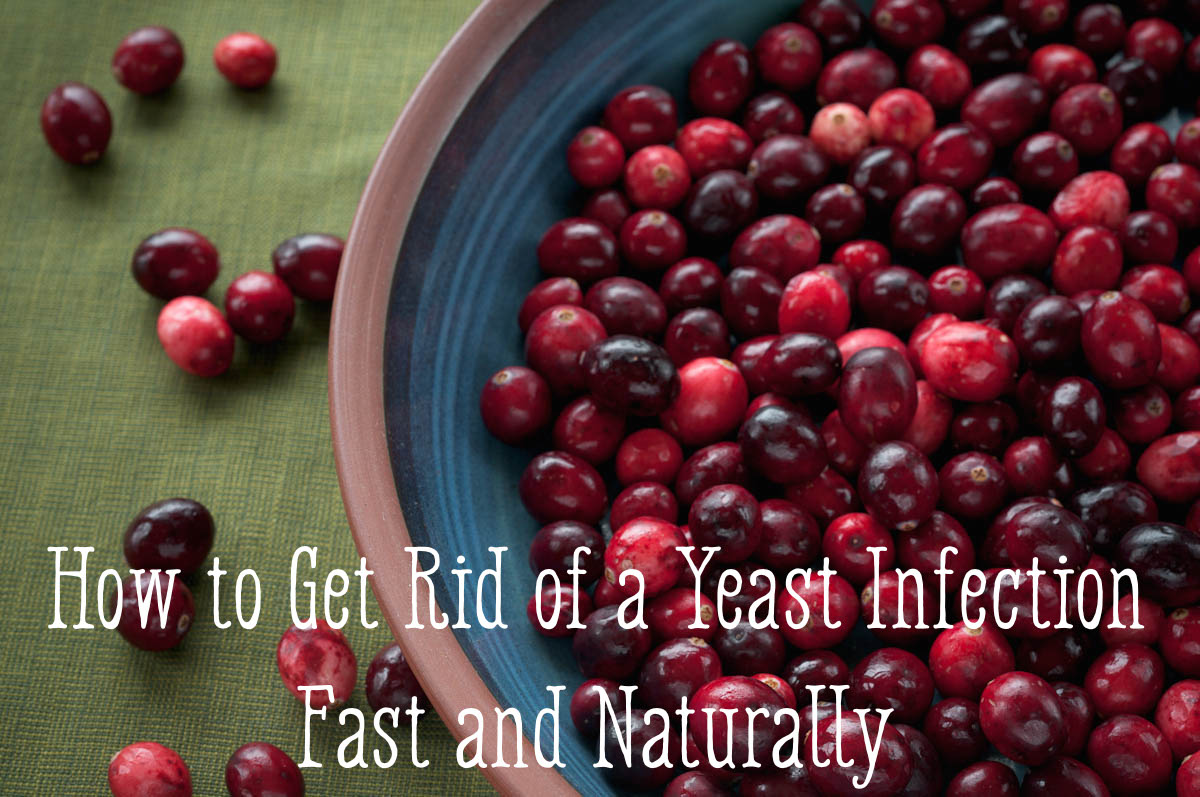
Cranberries are one of the many great ways to cure a yeast infection.
Cranberries are one of the many great ways to cure a yeast infection. | Source

Yeast Infections at a Glance

  • Women typically get yeast infections more than men and the most common is vaginal yeast infection.
  • Typical symptoms are; itching, redness, swelling, inflammation, thick whitish discharge, pain when urinating and painful / uncomfortable intercourse.
  • Yeast infections are caused by the overgrowth of the candida albicans yeast fungus naturally found in our bodies. This occurs when the body's friendly v bad bacteria environment is out of balance.
  • The underlying issues that can trigger this imbalance are things such as; good bacteria depletion, high blood sugar, lowered immune system, certain drugs, and hormonal imbalances.
  • Mainstream drugs generally address the symptoms and not the root causes so that unless these underlying issues are addressed the infection can return.
  • More women are turning to natural ways to get rid of their yeast infections. These include things like diet, lifestyle, probiotics, and other home remedies described here.

Getting Rid of Your Yeast Infection

Here, you'll discover 10 simple and very effective yeast infection home remedies that many folks have used successfully to eliminate their infections. However in order to fully appreciate how these simple home remedies can help to eliminate naturally, you first need to understand a bit more about this nasty infection.
So, before getting into the details of how to get rid of a yeast infection fast and naturally at home, let's briefly go through:
  • Symptoms to look out for
  • Why it's so important to get a proper diagnosis
  • The cause of the actual yeast infection
  • Underlying issues that trigger infections (very important)
  • Mainstream treatment and its shortcomings.

Symptoms


redness
itching
pain during intercourse
inflammation
thick white discharge
swelling
 
pain when urinating
 
Infections most often naturally occur in females in/around the vaginal area. The above are some of the most common symptoms of a vaginal yeast infection. As you can see, these types of symptoms could be signs of other issues. Perhaps some even more p

Causes

A yeast-like fungus called Candida albicans actually causes yeast infections. This is a naturally occurring fungus found in the human body, mainly in the gut, but also in warm, moist locations such as the vagina, anus, mouth, under skin folds, and so on.
You normally don't have to worry about the Candida fungi because they are usually kept from overgrowing into an actual infection by the millions of friendly bacteria in your body. However if this environmental balance of good bacteria versus bad bacteria is upset in any way, then the Candida can overgrow and proliferate throughout your body causing yeast infection, sometimes called 'candida,' 'candidiasis,' or 'thrush.'

The Underlying Causes

Anything that helps to upset this environmental balance and/or that feeds the Candida albicans can be recognised as an underlying cause of yeast infection. Here are just some of the most important ones:
  • High blood sugar levels, because the yeast feeds on sugar.
  • Beneficial bacteria depletion—antibiotics kill the good guys as well as the bad guys.
  • Immune system breakdown, through a number of factors including illness and stress.
  • Hormonal imbalance through pregnancy, menstruation, or menopause.
  • Drug therapy affecting the above. This includes antibiotics, steroids, the pill, HRT, and immuno-suppressive drugs.
You can see now how important it is to address these root causes if you are to have any chance of banishing your infection for good.

Mainstream Treatment for Yeast Infections

Naturally, the first solution for most women with yeast infection is in the form of over-the-counter anti-fungal medicines. These are usually in the form of things like creams, sprays, tablets, and so on, depending on where the infection is. Some typical brands include:
  • Monistat
  • Mycelex
  • Lotrimin
  • Terazol
  • Micatin
While these medicines can clear the symptoms for many women in the quoted timeframes, there are one or two drawbacks:
  1. They do have some negative side effects—they tend to focus on the infection symptoms rather than the underlying cause(s), and the candida fungus can build up a resistance to the drugs over time. This means that many women can suffer from recurring infections.
  2. Also there's the ongoing cost, of course.
This is why there is an increasing interest in getting rid of yeast infections naturally by using home remedies. Read on to learn what these are.
Note: It is estimated that as many as 66% of women who buy and use over-the-counter drugs to eliminate yeast infection actually don't have candida, rather they have some other problem that these medicines are not meant to treat.
This is why I said at the start that you need to get a professional diagnosis before you begin using OTC medications.

Top 10 Ways to Get Rid of a Yeast Infection at Home

More and more women (and men) are utilising natural home remedies. Not only are there home remedies to eliminate the symptoms of candida but there are also natural ways to address the underlying issues that trigger the fungal overgrowth. Below are the top ten ways to get rid of your yeast infection fast and naturally.

1. Eat Cranberries

Cranberries are great for fighting yeast infections. The flavonoids in cranberries help to strengthen your immune system. In turn, this helps to fight the bad bacteria more effectively. This includes cranberries in any form, including fresh, frozen, dried cranberries, or in juice-form.

2. Reduce Your Stress Levels

Reducing your stress levels is very important in curing your yeast infection. Stress can lower your immune system, thus allowing the candida to overgrow. To do that, make sure you do all that you can to reduce the stress in your life including: exercising, eating a proper diet (see below) rescheduling your activities if they are too much, getting proper sleep, taking proper time out for relaxation, meditating, and so forth.

3. Change Your Diet

Change to a diet that avoids foods and ingredients that cause candida fungi to overgrow. This means avidly checking food labels and avoiding or seriously reducing the following:
  • Sugar in all its forms, especially candies, soda, chocolates, and even vegetables like baked beans. This includes anything that contains fructose.
  • Artificial sweeteners.
  • Refined carbohydrates, because they breakdown into sugar.
  • Products containing yeast.
  • Dairy products—they often contain hormones and antibiotics.
  • Processed foods.
  • Foods containing preservatives, flavorings, or artificial colors.
  • Mono-sodium glutamate (MSG)
  • Stimulants like coffee, energy drinks, cigarettes, and so forth.
Note: In terms of meat, poultry, fish, and vegetables you should make a real effort to eat only organic, since modern farming methods tend to treat with antibiotics, hormones and pesticides.

4. Take Probiotics for a Yeast Infection

Probiotics are a great way to help replenish the beneficial bacteria in your gut. They are available in the pharmacy or at the local health food store and contain live friendly bacteria. You can normally get them in tablet, capsule, powder, and liquid forms—it is always best to get the best quality ones. Don't sacrifice price for quality when it comes to your health!

5. Consider Yogurt as a Probiotic

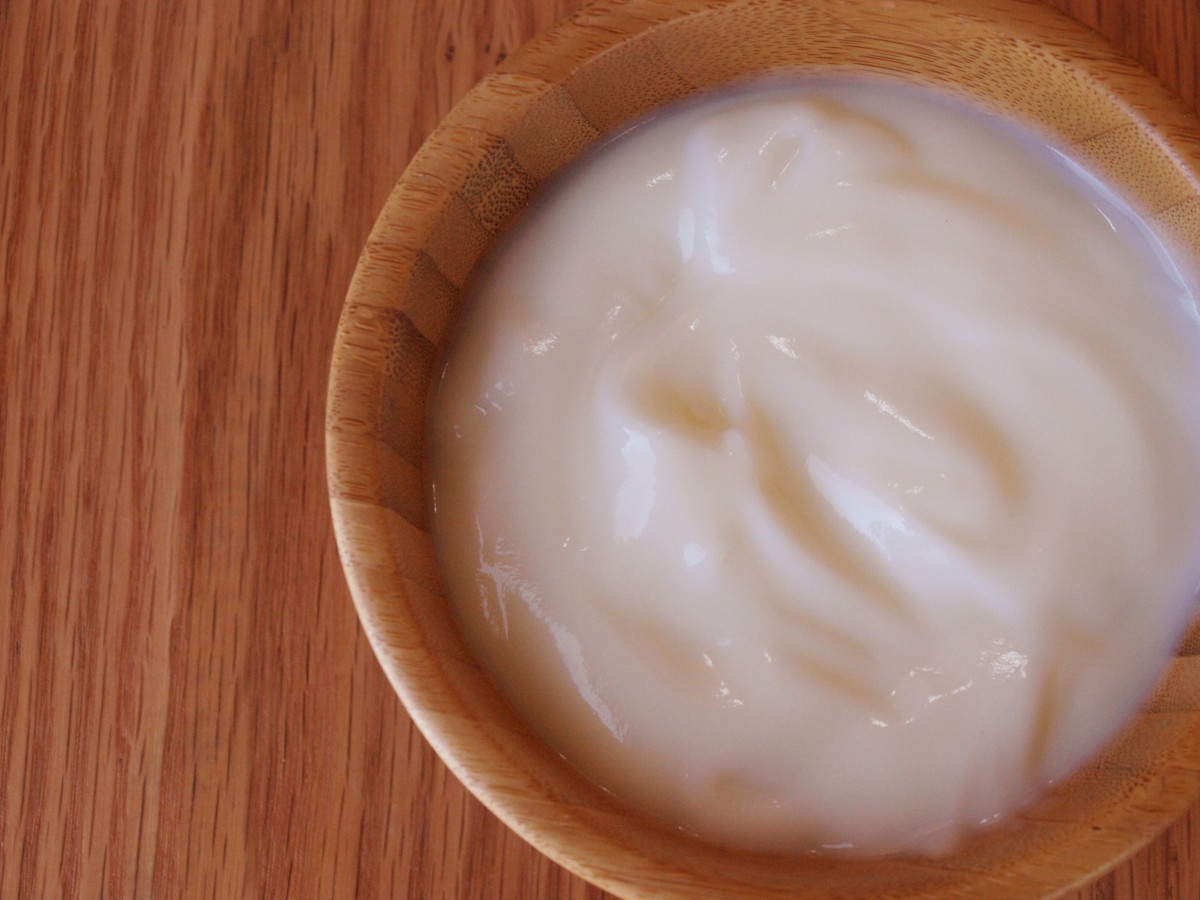
Natural yogurt is a well-known source of live cultures. However it must be free from sugar, coloring, fruit of any kind, and any other additives. Always check that the label says that it contains live active cultures. The beneficial bacteria that is especially good for yeast is lactobacillus acidophilus found in true natural yogurt.
One of the best ways to ensure you get the very best is to make it yourself. You can easily Google this or purchase a natural yogurt making kit online through Amazon at a very reasonable price.
Interestingly, as well as rebalancing your gut flora, you can apply the yogurt directly over the site of the infection. You can apply it inside, as well—simply coat a regular tampon and insert overnight.

6. Use Tea Tree Oil for Yeast Infections

Tea tree oil has some very powerful anti-fungal properties. You can purchase tea tree oil at the local pharmacy and at certain health stores. However don't use it if you are pregnant, and also don't apply to areas where the skin is broken.

7. Use Garlic

Raw garlic has natural anti-bacterial and anti-fungal properties.
  • It can be eaten to help kill the fungus in your gut.
  • It can also be applied topically—peeled and crushed into a paste and applied over the area affected.
  • It can also be inserted overnight in the vagina to help kill-off the candida there. Just wrap some muslin around a peeled garlic clove and tie securely with dental floss. Leave a tail of dental floss for easy removal.

8. Consider Herbal Home Remedies for Yeast Infections

There are very many herbs that contain excellent natural properties to help you get rid of the symptoms, as well as in preventing further infections. Here's a small sample:
  • turmeric
  • cinnamon
  • pau d'arco
  • goldenseal
  • chamomile
  • black walnut
  • myrrh
Get these and more at your herbalist or local health food store.

9. Use Apple Cider Vinegar

An apple cider remedy discourages candida growth by helping to rebalance your body pH. It must be raw apple cider vinegar that hasn't been distilled or pasteurized. You should be able to get this at health food stores.
  • To take internally, just add 2-3 teaspoons of apple cider vinegar to a large glass of water and take 2-3 times per day.
  • To take externally, just put half a cup into a shallow warm bath and bathe for around 20 minutes, gently lapping the water against the affected part.

10. Use Coconut Oil for Yeast Infection

Virgin coconut oil is high in caprylic and lauric acid, thus giving it very powerful anti-fungal and antimicrobial properties. This is ideal for combating yeast infection. Coconut oil can be used in your diet and especially to cook with.
Note: Make sure you don't use the hydrogenated type, and only use virgin coconut oil.


Additional Tips on How to Prevent Yeast Infections

As a bonus, alongside the top ten, here are some more things to consider in preventing yeast infections. These are founded on the principle that candida just loves warm, moist, humid conditions and an alkaline environment:
  • Avoid wearing tight jeans, pants, and panties.
  • In turn, wear loser-fitting jeans and pants that allow your parts to breathe.
  • Wear cotton panties that also let the area breathe.
  • Maintain a clean and dry genital area at all times by washing with warm water and soap daily.
  • Change out of damp sweaty swimwear or gym-wear as soon as you possibly can.
  • Stop using scented feminine sprays, soaps, gels, douches, pads, tampons, and so forth. These can both irritate the fragile membranes and upset the pH (alkaline/acidic) balance.
Don't ignore these things as they form an important part of your overall approach to get rid of your yeast infection at home and prevent future occurrences.